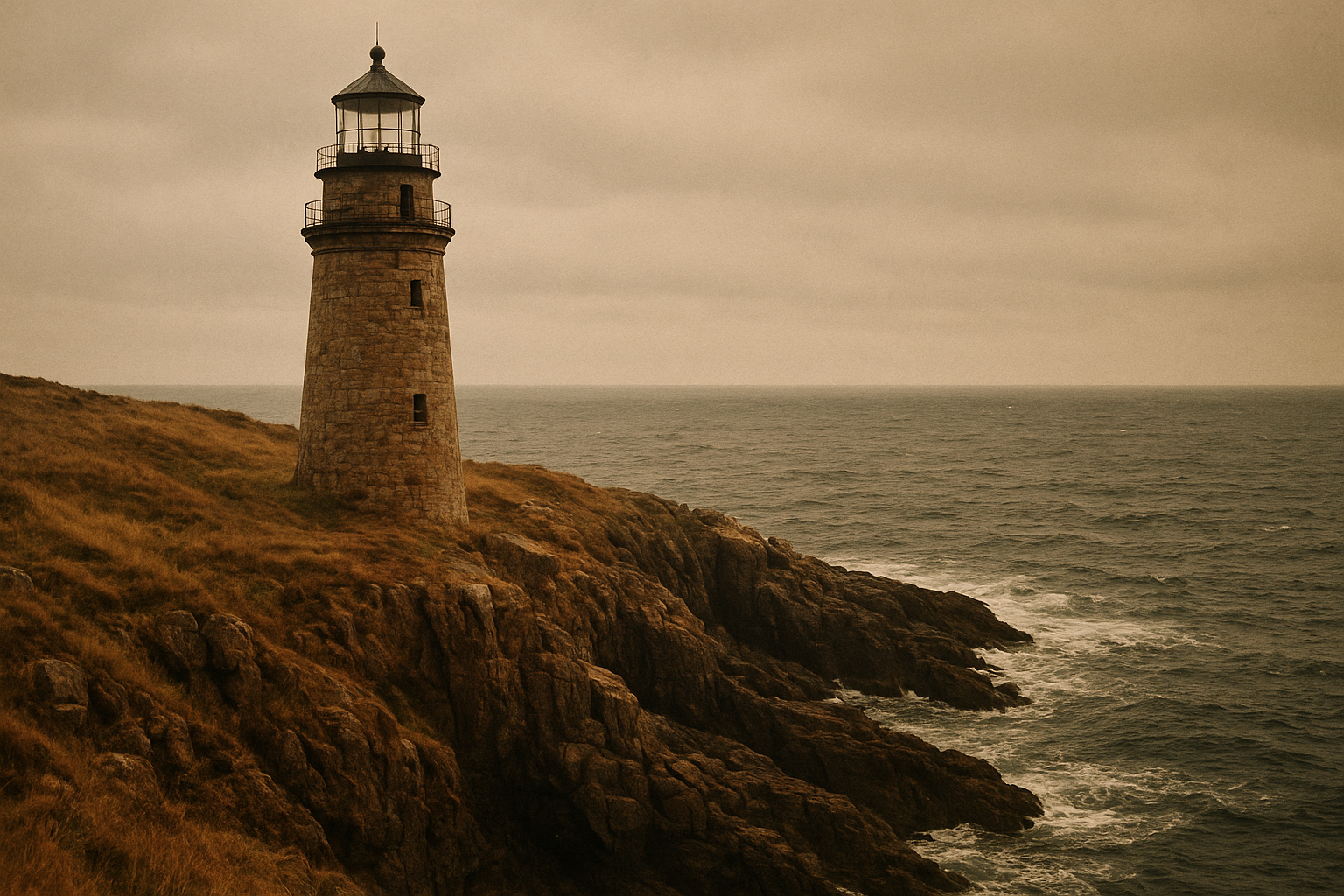
Weathered stone lighthouse on a rugged northern coastline under soft maritime light

Editorial archive of coastal heritage

Northern Coast Lighthouses

Explore archive photos, keeper stories, and preserved towers that keep the northern coast's maritime memory alive.

  • Archive photos
  • Keeper stories
  • Preserved towers

Archive introduction

Why the northern coast’s beacon towers still matter

These towers were practical warnings, lived-in workplaces, and now shared memory points that hold the coastline’s maritime record.

  1. Coastal warning

    Lantern signals and fog bells marked reefs, channels, and changing tides for passing vessels.

  2. Keeper life

    Keepers balanced maintenance, weather logs, and isolation while keeping the light dependable each night.

  3. Preservation memory

    Restored towers now anchor community memory and connect modern visitors to working maritime history.
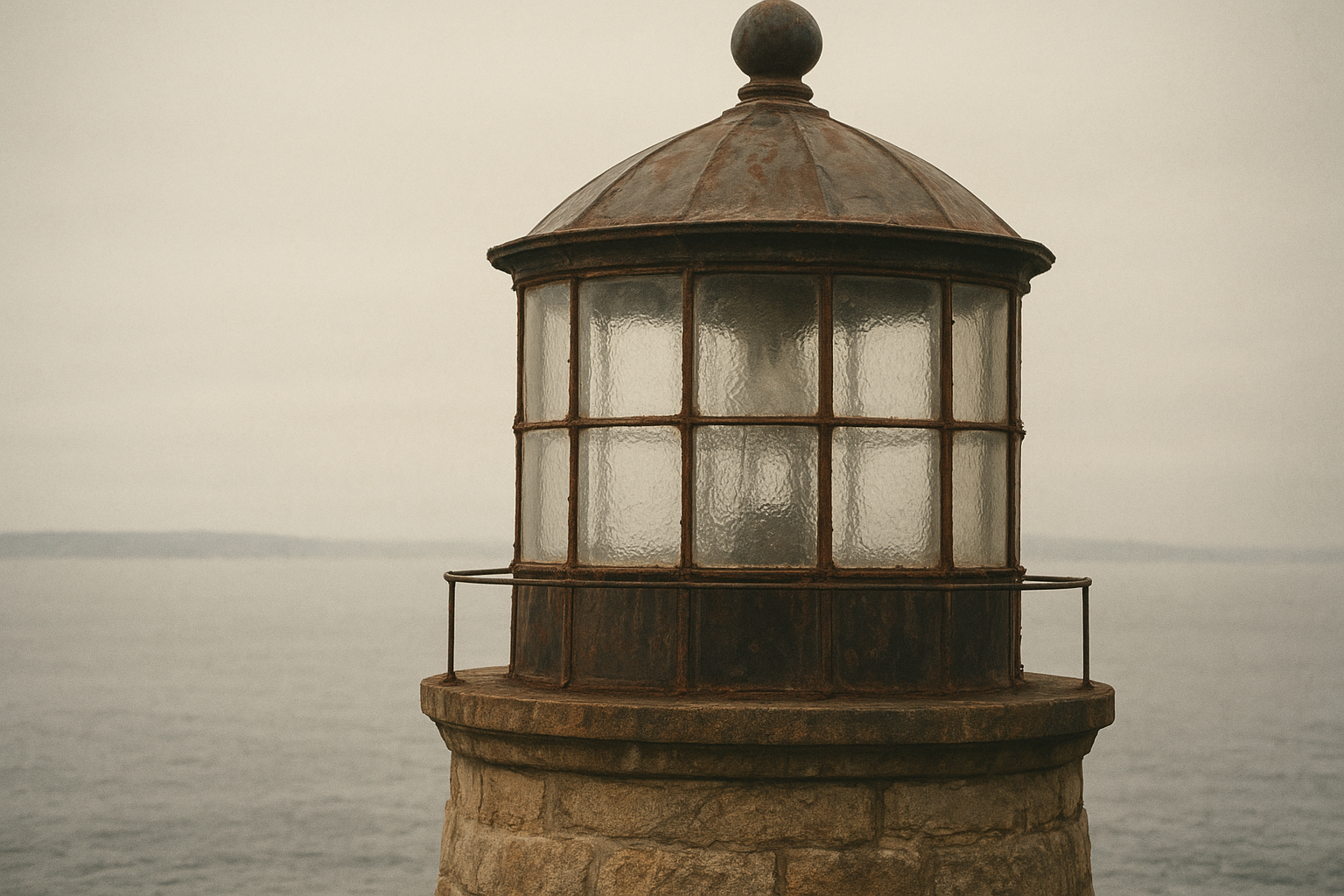
Close archival detail of lighthouse lantern-room glass and weathered masonry overlooking the northern shoreline
Lantern-room panes and salt-worn stone at a preserved northern coast beacon, photographed from the seaward side.

Timeline highlights

A quick historical scaffold of the northern coast lights

From early signaling to living memory, these milestones frame how the towers evolved, who kept them running, and why they endure.

  1. Early coastal signaling

    Beacon fires and simple lamps first guided fishing craft and small cargo vessels through fog and shoals.

  2. Expansion era

    Purpose-built towers multiplied along trade routes as maritime traffic and coastal infrastructure expanded.

  3. Keeper routines

    Resident keepers maintained lenses, weather logs, and nightly watches under demanding seasonal conditions.

  4. Preservation efforts

    Community groups and heritage bodies stabilized threatened structures and documented surviving station records.

  5. Living landmarks today

    Preserved towers now anchor public memory through tours, archives, and ongoing coastal research.